 admin
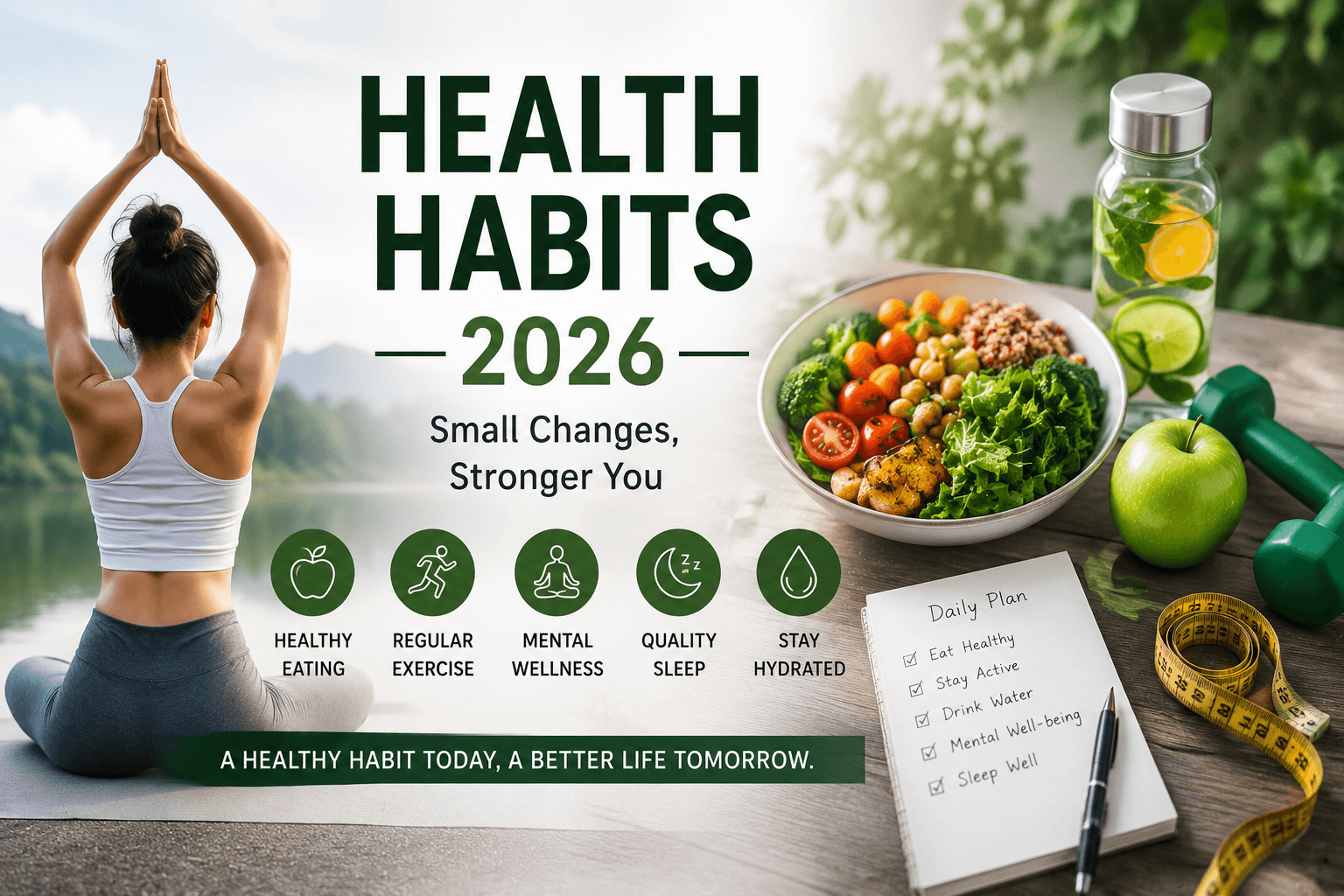
admin In 2026, the science of health and wellness has never been clearer — or more accessible. With AI-powered diagnostics, wearable health monitors, and a growing body of research on what actually works, we now have better tools than ever to take control of our health.
Here are 7 evidence-backed health habits that doctors, researchers, and health experts recommend most strongly in 2026.
1. Prioritize Sleep Like Your Life Depends On It (Because It Does)
Sleep is the single most powerful health intervention available — and it costs nothing. Research consistently shows that adults who sleep 7-9 hours per night have lower rates of heart disease, diabetes, obesity, and mental health disorders. In 2026, sleep science has advanced significantly: we now know that the brain’s glymphatic system — which clears toxic waste proteins linked to Alzheimer’s disease — only activates during deep sleep.
Practical tip: Set a consistent sleep and wake time, keep your bedroom cool and dark, and avoid screens for at least 30 minutes before bed. These simple steps can dramatically improve your sleep quality within days.
2. Move More, Sit Less — Even Small Amounts Count
The walking pad revolution is real. In 2026, one of the biggest fitness trends is the portable under-desk walking pad, driven by the rise of remote work. Research published this year confirms that even light walking — 20 to 30 minutes per day — can reduce cardiovascular disease risk by up to 35%. You do not need a gym membership or an intense workout routine to get meaningful health benefits.
The key insight: breaking up prolonged sitting with even brief periods of movement has measurable benefits. Set a timer to stand and walk for 5 minutes every hour while you work. Over a day, those minutes add up to a genuine health intervention.
3. Eat Real Food — The Mediterranean Diet Still Wins
In a world of dietary fads, the Mediterranean diet remains the most consistently backed eating pattern in science. Emphasizing vegetables, fruits, whole grains, legumes, nuts, olive oil, and fish — with limited processed food, red meat, and refined sugar — it reduces the risk of heart disease, type 2 diabetes, cognitive decline, and certain cancers.
In 2026, the key addition to this conversation is ultra-processed food research. Studies show that diets high in ultra-processed food (packaged snacks, fast food, sugary drinks) are associated with dramatically higher rates of inflammation, obesity, and mental health problems. The rule is simple: if it comes in a packet with more than five ingredients, eat it rarely.
4. Protect Your Mental Health Actively
Mental health has moved from the margins to the center of the wellness conversation. In 2026, anxiety and depression rates remain elevated globally, and healthcare systems are struggling to keep up with demand. The good news is that effective, evidence-based strategies exist and are accessible to everyone.
Regular physical exercise, quality sleep, strong social connections, and mindfulness practice are the four pillars of mental health supported by the strongest scientific evidence. Even 10 minutes of daily meditation has been shown to reduce cortisol (the stress hormone) and improve emotional regulation. If you are struggling, please reach out to a mental health professional — asking for help is a sign of strength, not weakness.
5. Get Regular Health Screenings — AI Is Making Them Better
One of the most exciting health developments of 2026 is the arrival of AI-powered diagnostic tools that are achieving expert-level accuracy. The photonic AI platform developed by Shenzhen University researchers can detect retinal detachment and liver cancer with precision that matches top specialists. Similar AI diagnostic tools are entering hospitals and clinics worldwide.
The practical implication: regular health screenings are more valuable than ever. Annual blood tests, blood pressure checks, and age-appropriate cancer screenings can detect problems early — when they are most treatable. Do not wait until you feel sick to see a doctor.
6. Hydration: The Most Underrated Health Habit
Most adults are chronically mildly dehydrated and do not know it. Even mild dehydration reduces cognitive performance, increases fatigue, and impairs mood. The evidence-based recommendation is to drink at least 2 liters of water per day — more if you are active or live in a hot climate. Beverages like green tea also provide hydration plus antioxidants.
A simple rule: if your urine is pale yellow, you are well hydrated. If it is dark yellow, drink more water immediately.
7. Build and Maintain Strong Social Connections
Loneliness has been declared a public health epidemic in 2026 by health authorities in multiple countries. Research shows that chronic loneliness is as damaging to health as smoking 15 cigarettes per day. On the flip side, people with strong social connections live longer, recover faster from illness, and report higher levels of wellbeing.
In an age of digital connection, meaningful human relationships require intentional investment. Schedule regular time with friends and family. Join community groups around shared interests. Volunteer. These are not luxuries — they are health necessities.
Final Thought
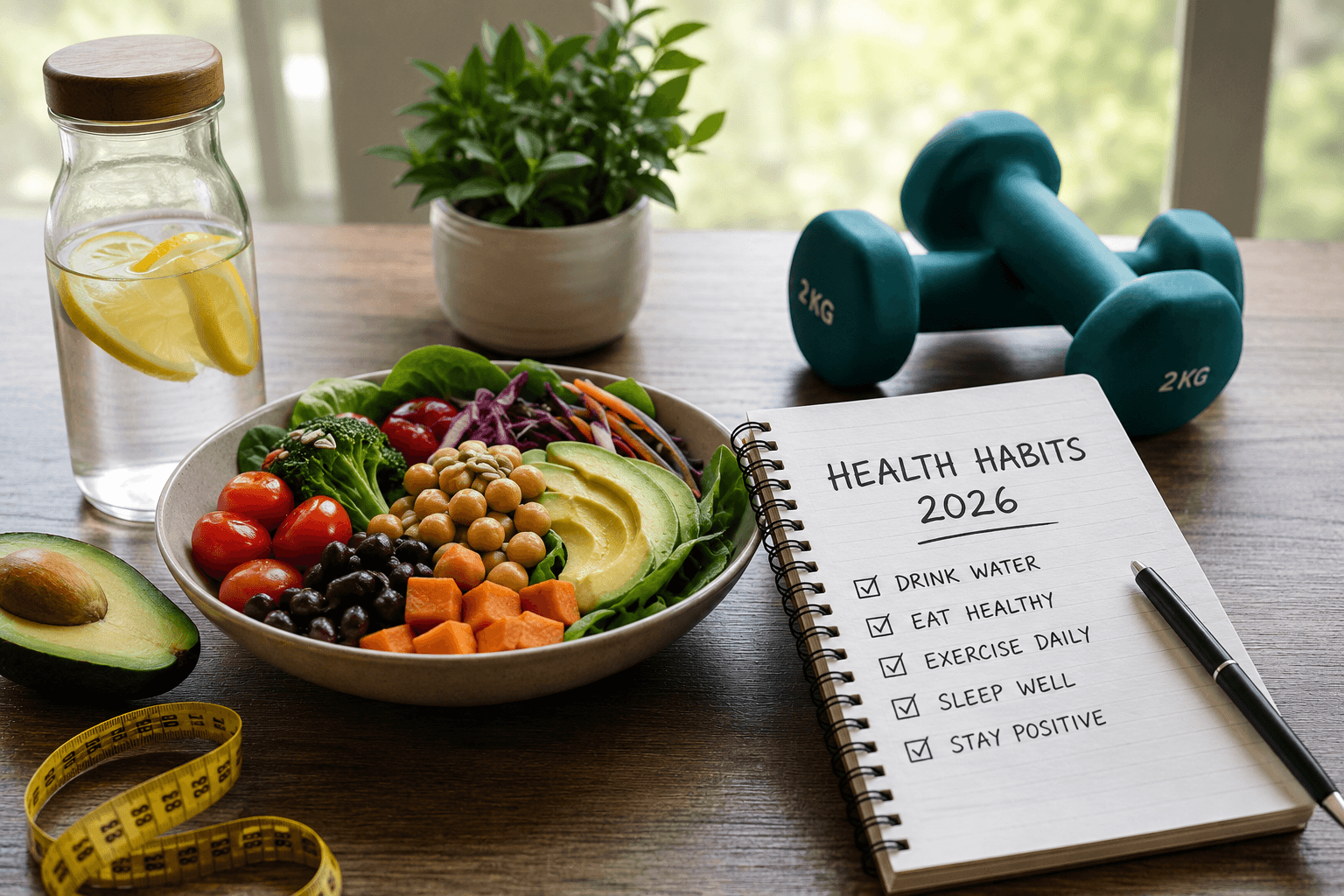
The formula for good health has not fundamentally changed: sleep well, move regularly, eat real food, protect your mental health, stay connected, and see your doctor. What has changed in 2026 is our ability to monitor, measure, and optimize these habits with better technology and science than ever before. Start with one habit today. Your future self will thank you.