 admin
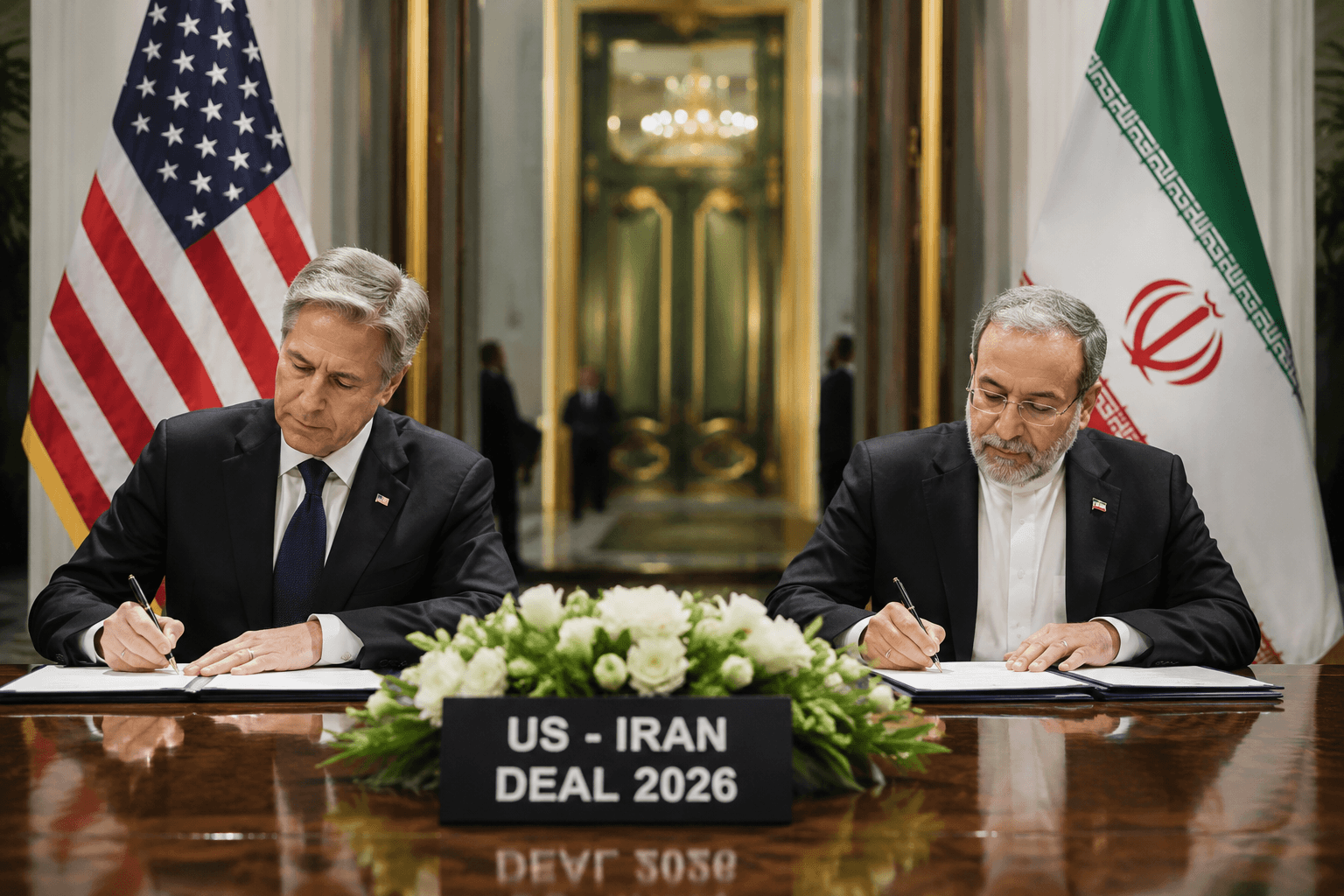
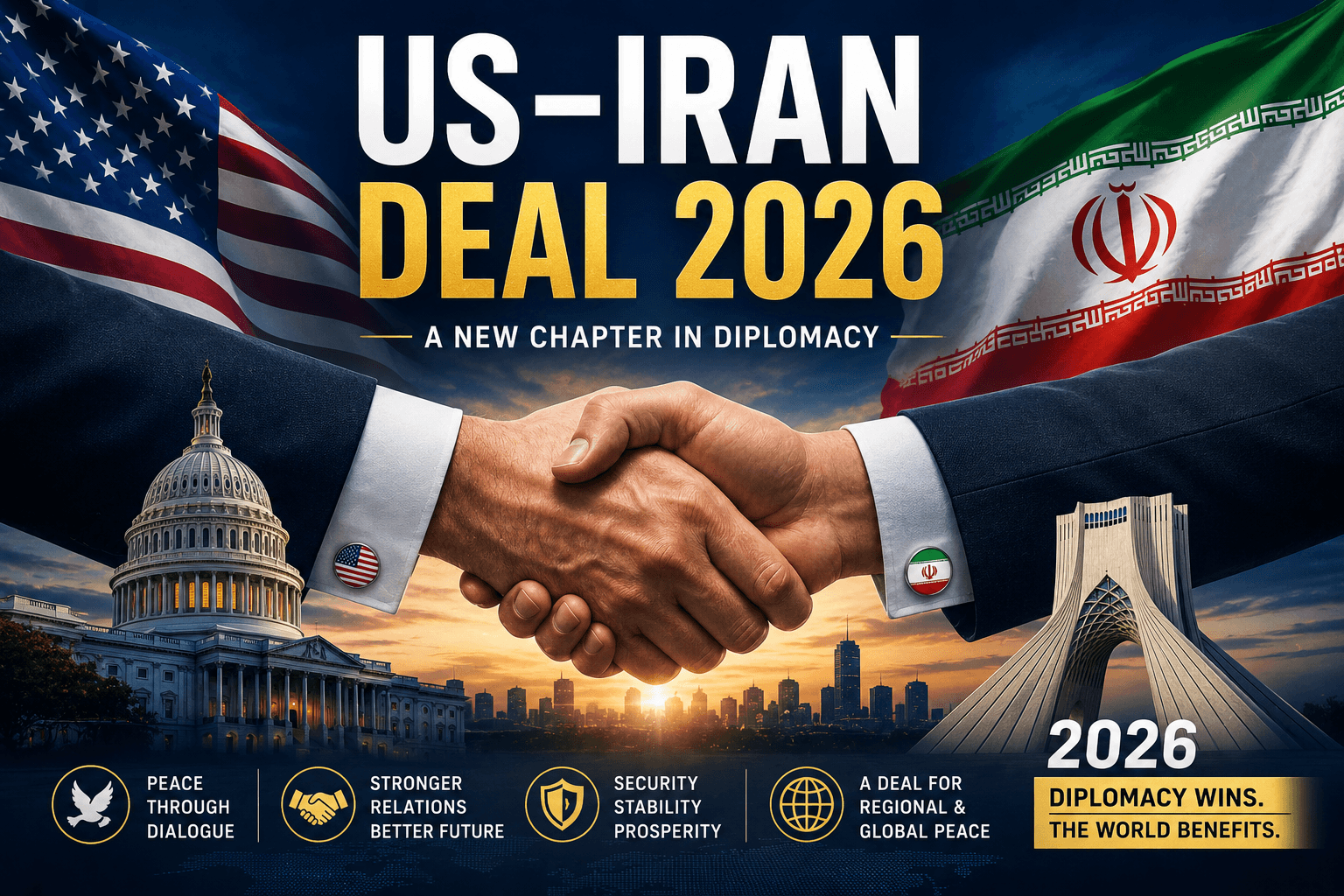
admin In a stunning diplomatic breakthrough that few predicted just months ago, the United States and Iran signed a Memorandum of Understanding (MOU) on June 17, 2026, effectively extending their ceasefire for 60 days and laying the groundwork for a permanent end to a war that has shaken the Middle East and the global economy.
Here is everything you need to know about this historic deal — explained in plain language.
How Did We Get Here?
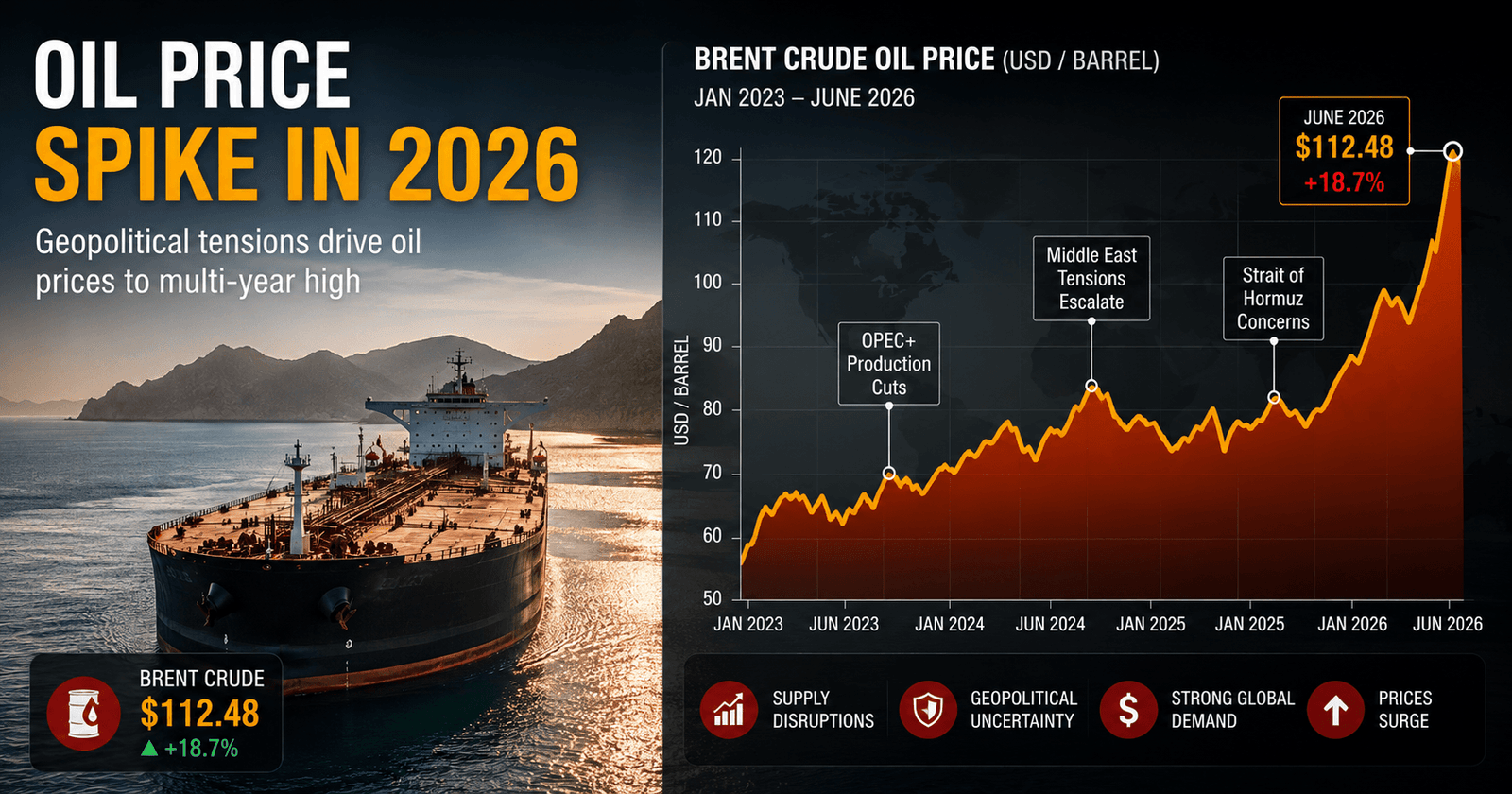
The US-Iran war began on February 28, 2026, when American and Israeli forces launched strikes against Iran. The conflict immediately caused Iran to close the Strait of Hormuz — one of the world’s most critical shipping lanes — sending oil prices soaring and causing global economic disruption.
A temporary ceasefire was reached on April 8, and after months of negotiations involving mediators from Pakistan, China, and Qatar, both sides finally agreed to a comprehensive Memorandum of Understanding. The deal was signed electronically by both governments and formally witnessed at the Versailles Palace in France, where President Trump paused before signing and said simply: ‘This was not easy.’
What Does the Deal Include?
The MOU is a framework, not a final peace treaty. Here are the key points: An immediate and permanent end to military operations on all fronts, including Lebanon. The reopening of the Strait of Hormuz to commercial shipping — a lifeline for global oil markets. A 60-day negotiation period to resolve bigger issues including Iran’s nuclear program, US sanctions, and frozen Iranian assets. Immediate sanctions waivers for Iran’s fossil fuel industry. A US-backed reconstruction plan for Iran worth at least $300 billion to be negotiated.
The deal does not yet resolve Iran’s nuclear program — that remains the central issue for the next round of talks. Critics from both sides have raised concerns: former Secretary of State Antony Blinken argued the main achievement is reopening a strait that was open before the war started. Trump fired back, saying anyone who thinks he has not been tough enough on Iran when the stock market is high and oil prices are falling is ‘jealous, bad or stupid.’
What About Lebanon?
The deal includes Lebanon — a point that created significant tension with Israel. Prime Minister Netanyahu had insisted that Lebanon not be part of the agreement. However, Trump’s envoys included Lebanon provisions in the MOU, which Israel viewed as a concession to Iran.
Despite the ceasefire announcement, Israel and Hezbollah continued exchanging fire. The situation in Lebanon remains the most volatile flashpoint. Vice President JD Vance, attending direct US-Iran talks in Switzerland this week, said there is ‘still some additional wood to chop’ on Lebanon but expressed confidence the situation will be resolved.
The Switzerland Talks: Where Things Stand Today
As of June 22, 2026, US and Iranian negotiators just concluded their first face-to-face round of talks at a luxury resort in Switzerland. Mediators from Qatar and Pakistan confirmed that both sides agreed on ‘a road map’ to reach a final deal within 60 days and established a communication line to avoid incidents in the Strait of Hormuz. ‘Encouraging progress’ has been made, and technical talks are underway immediately.
The fact that US and Iranian officials are in the same room — for the first time in decades of hostility — is itself a remarkable development that few thought possible a year ago.
Why This Matters for the World
The reopening of the Strait of Hormuz is already having a measurable economic impact. On June 18 alone, 25 commercial vessels crossed the strait — the highest single-day count since April 18 and more than five times the average from early June. Oil prices have started to fall. Global supply chains are beginning to recover.
For Pakistan, which played a critical mediating role, this is a major diplomatic triumph. Prime Minister Shehbaz Sharif called it a historic moment for Pakistan and the world. For the broader Middle East, a permanent US-Iran deal could reshape alliances, reduce tensions, and potentially open the door to wider peace agreements.
What Happens in the Next 60 Days?
The clock is now ticking on the most consequential 60 days in Middle East diplomacy in decades. Negotiators must resolve Iran’s nuclear program, determine the future of US sanctions, agree on the release of frozen Iranian assets, and finalize arrangements for the Strait of Hormuz. If they succeed, it will be the most significant peace agreement of the 21st century. If talks collapse, the region risks sliding back into conflict.
Watch this space. The world is watching Switzerland very closely.