 admin
admin IMPORTANT: This article is for educational purposes only and does not constitute financial or investment advice. Always consult a qualified financial professional before making investment decisions.
You might not be following every military development in the Strait of Hormuz. But the US-Iran escalation is already affecting you — at the gas station, at the grocery store, and in your investment portfolio. Here is a clear, plain-language explanation of exactly how the current crisis is translating into real economic consequences for ordinary people, and what you can do about it.
Oil Prices: The Rollercoaster Nobody Asked For
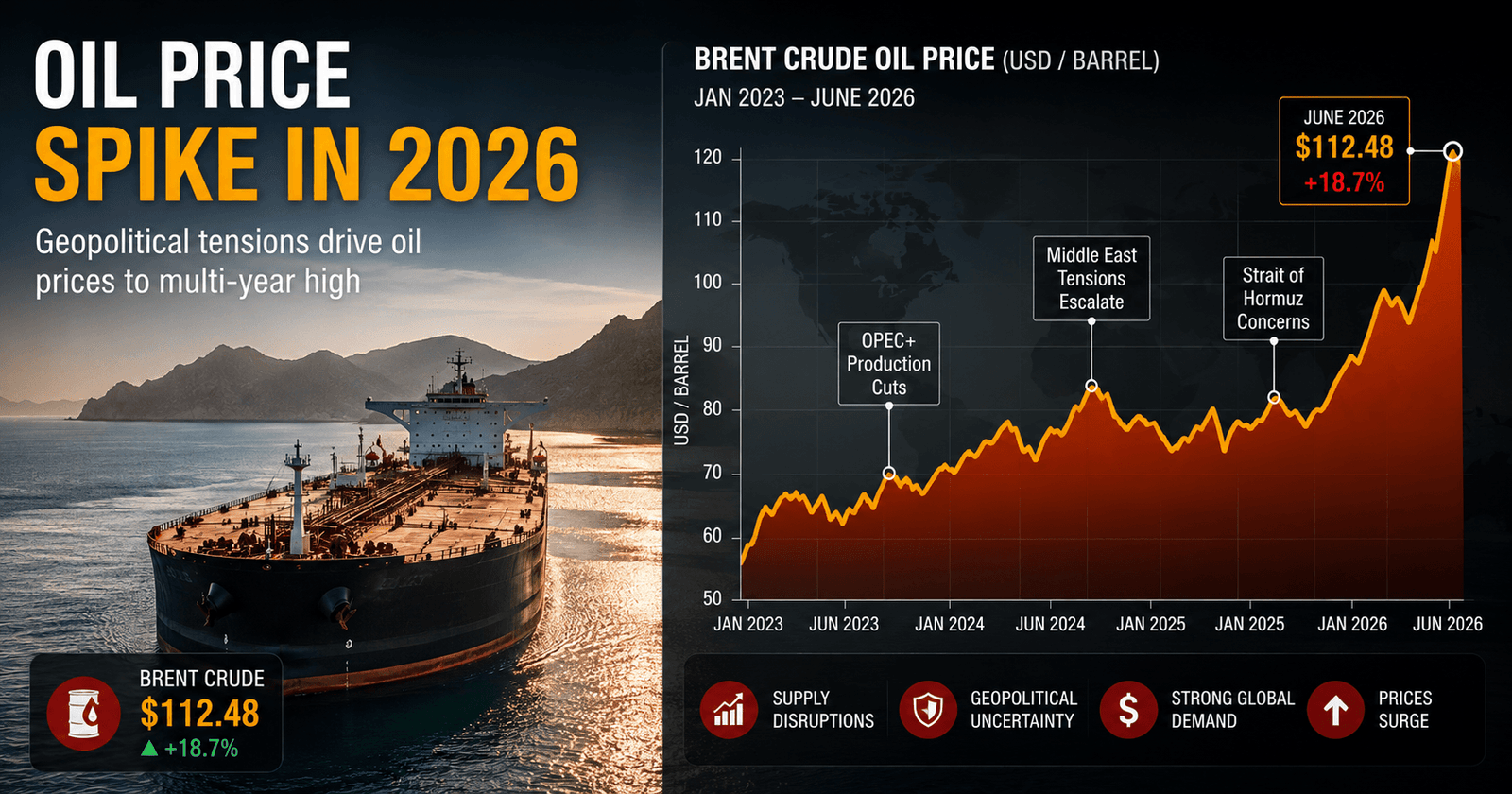
Before the US-Iran war began on February 28, 2026, the Strait of Hormuz carried approximately 25 percent of the world’s seaborne oil trade. When Iran closed the strait in retaliation for the US-Israeli strikes, oil prices surged dramatically — creating one of the most significant supply disruptions to global energy markets in recorded history.
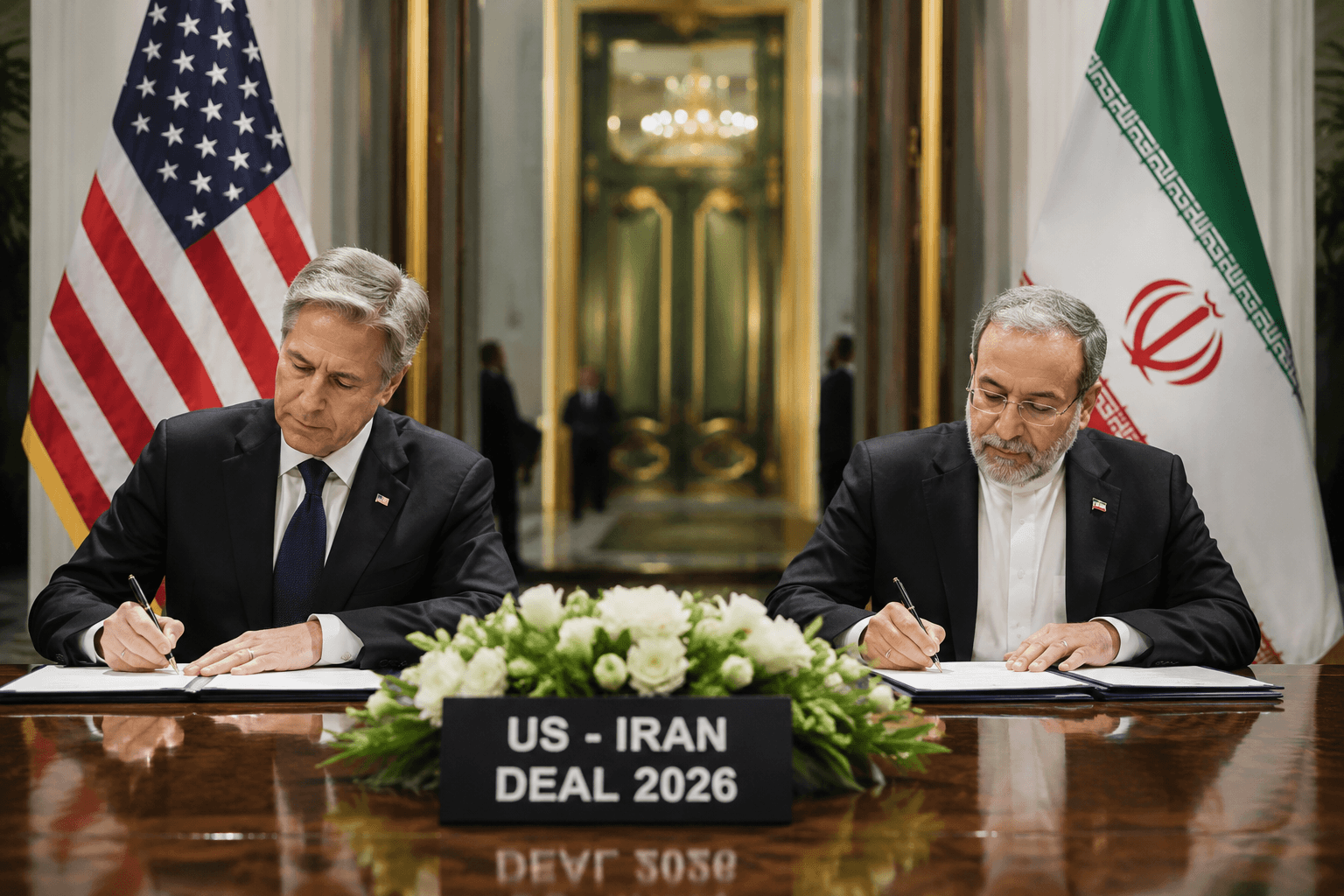
When the MOU was signed on June 17 and the strait began reopening, oil prices fell sharply — reflecting market relief that supply disruptions might be ending. Oil prices had fallen about 3 percent on Friday June 27 before the new US strikes and Iranian attacks on Bahrain and Kuwait sent them surging again. Iran’s inflation hit 88.6 percent year-on-year in June — itself a signal of the economic devastation the war has caused inside the country.
For consumers, this price rollercoaster translates directly into gasoline prices that rise and fall with each new military development. Every time you fill up your car and wonder why the price has jumped since last week, the answer is likely in the Strait of Hormuz.
How High Oil Prices Affect Everything You Buy
Oil is not just the fuel in your car. It is the feedstock for plastics, fertilizers, synthetic fabrics, pharmaceuticals, and hundreds of other products. When oil prices rise, the cost of producing almost everything rises too. Elevated energy costs translate into higher prices for food (because farming, transportation, and food processing all require energy), manufactured goods, shipping and delivery services, and airline tickets.
The Federal Reserve and other central banks have been managing elevated inflation partly caused by the energy market disruption of the US-Iran conflict. Higher oil prices make that inflation fight harder — and potentially delay the interest rate cuts that mortgage holders, small businesses, and borrowers are waiting for.
Investment Implications: What Is Moving and Why
Energy Stocks
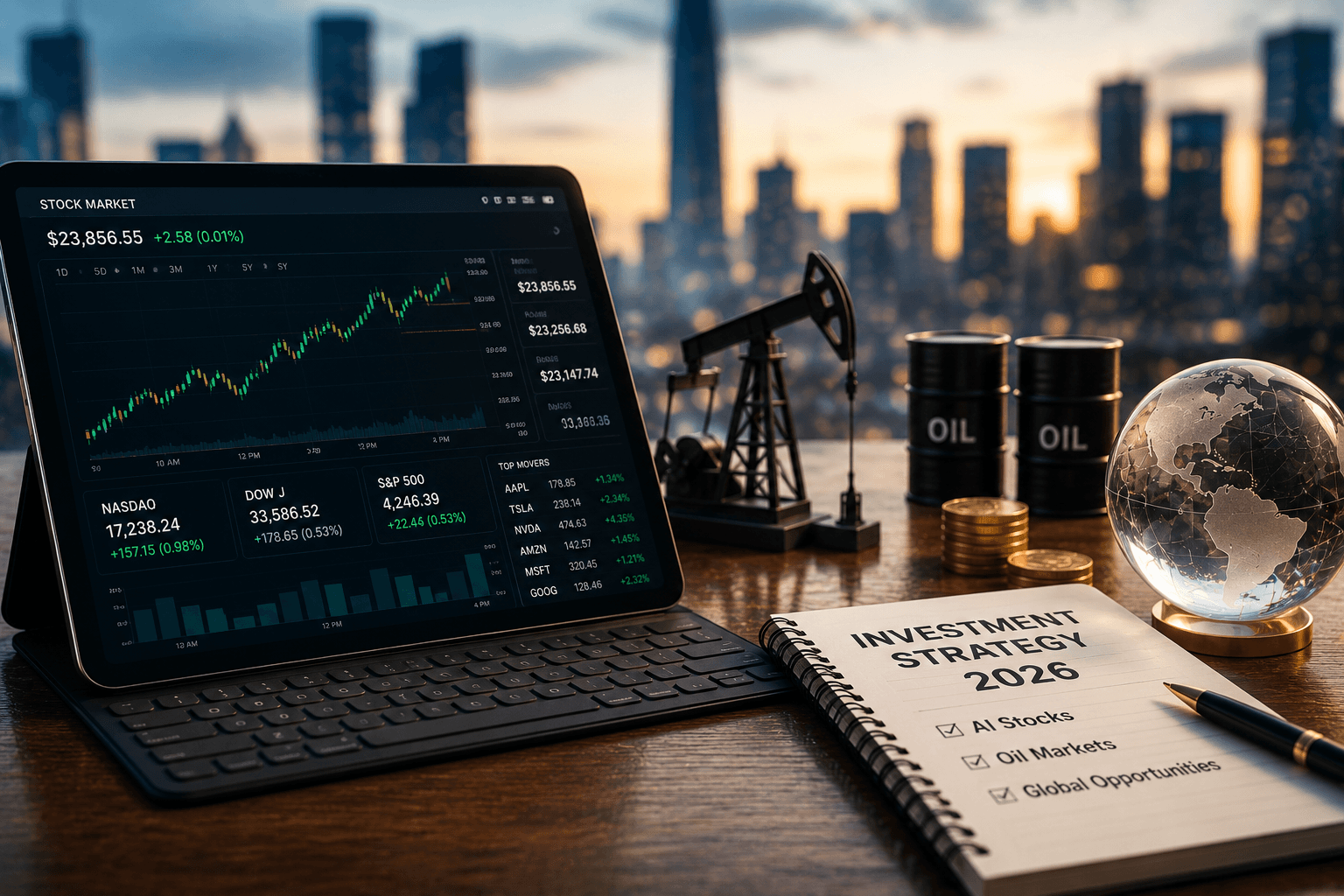
Companies that produce or refine oil and gas benefit when oil prices rise. If you hold energy sector stocks or ETFs, the current environment has been generally positive for prices — though the uncertainty creates volatility. However, if the peace process succeeds and the Strait fully reopens, energy stocks could face significant downward pressure as the risk premium in oil prices is removed.
Shipping and Insurance
Shipping companies that operate in the Persian Gulf and the Indian Ocean have faced dramatically elevated insurance costs and route uncertainty since February. The attacks on Bahrain and Kuwait and the suspension of the IMO’s ship evacuation program are pushing insurance premiums higher again. Companies with significant Gulf shipping exposure face cost pressure.
Defense Stocks
Defense contractors — Raytheon, Lockheed Martin, Northrop Grumman, General Dynamics — typically see elevated stock prices during periods of military conflict. The US military’s ongoing operations in the Gulf have maintained demand for precision strike munitions, air defense systems, and surveillance technology.
Gold and Safe-Haven Assets
Gold typically performs well during periods of geopolitical uncertainty. The escalating US-Iran conflict, combined with Supreme Court rulings that are reshaping the US political landscape and domestic weather emergencies, is creating a broadly uncertain environment that supports demand for safe-haven assets.
Practical Steps for Your Personal Finances Right Now
- Review your energy costs: If you have not already switched to a fixed-rate energy tariff, consider doing so — fixed rates protect you from price spikes.
- Check your investment exposure: If your portfolio is heavily weighted toward companies with Gulf shipping or Iran-adjacent supply chains, assess whether that concentration is appropriate.
- Build your emergency fund: Economic uncertainty created by geopolitical events is exactly what emergency funds are for. Aim for 3-6 months of living expenses in liquid savings.
- Avoid panic decisions: The biggest financial mistakes happen when people react emotionally to short-term news. Stay focused on your long-term financial plan.
- Watch the Switzerland talks: The status of US-Iran negotiations is the single most important variable for energy prices right now. A resumed and productive negotiation would likely bring oil prices down; a collapse of talks would send them higher.