 admin
admin The fragile peace that the world had cautiously celebrated just one week ago is now shaking at its foundations. On June 26, 2026, the United States military launched strikes against Iranian targets — missile storage facilities, drone sites, and coastal radar installations — in direct retaliation for an Iranian drone attack on a Singapore-flagged cargo ship in the Strait of Hormuz. Iran struck back by claiming it targeted US military positions in the Gulf region, warning that any further American aggression would be met with a “broader” response.
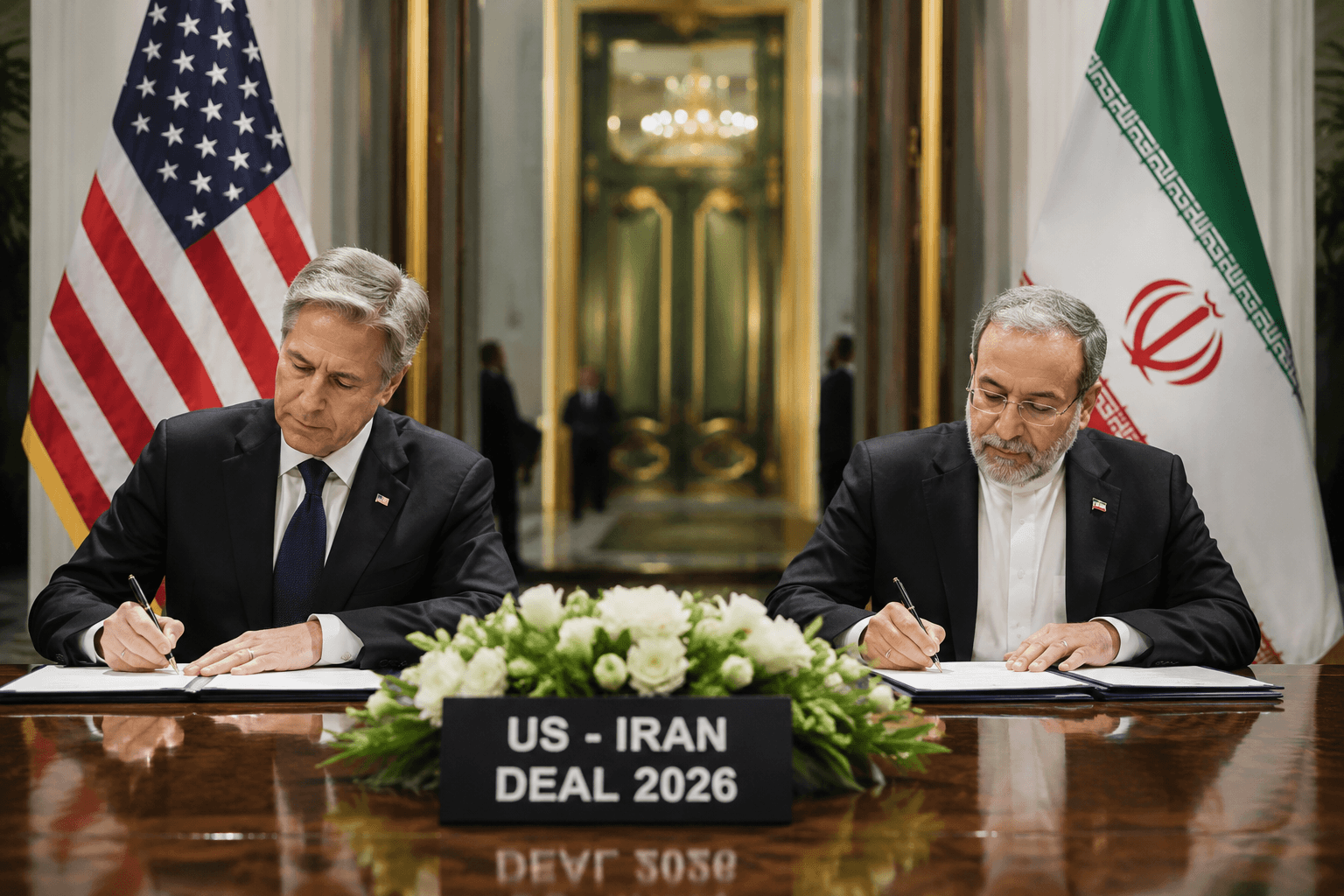
This is the most serious test yet of the Memorandum of Understanding — the ceasefire framework signed just one week ago by Washington and Tehran. And it is unfolding in real time as millions of people, global markets, and diplomats around the world hold their breath.
What Exactly Happened — The Full Timeline
On June 25, the Singapore-flagged container ship M/V Ever Lovely was attacked southeast of Dahit, Oman, causing the International Maritime Organization to pause a plan to evacuate 11,000 sailors from the Strait.
According to President Trump, Iran launched at least four drones at ships traveling through the Strait on Thursday. One of those drones hit the upper deck of the cargo-carrying ship Ever Lovely, and the US knocked down the three remaining drones.
The United Kingdom Maritime Trade Operations confirmed that the cargo vessel was hit on its starboard side by an unidentified projectile on Thursday, damaging the bridge. No casualties or environmental impact were reported.
Evergreen Marine, the ship’s owner company, said in a statement to the Taiwanese stock exchange that the ship sustained damage to its bridge windows, but no injuries were reported and the cargo onboard was safe. “The main engine and all navigation equipment continued to operate,” and its seaworthiness was not impacted as it departed the Strait of Hormuz.
Trump responded publicly before the strikes, telling White House reporters “you’ll find out” when asked whether the US would retaliate. Hours later, US Central Command answered the question definitively.
The US military attacked Iran on Friday, June 26, in response to the Iranian drone strike on the cargo ship. US Central Command said aircraft struck missile and drone storage locations and coastal radar sites, later publishing a grainy black-and-white video of an explosion labeled “unclassified.” A US official reported the operation had concluded.
The strikes involved six US aircraft attacking four targets — missile, drone and radar sites along the Iranian coastline. The strikes were designed with the goal of having a large enough scope to send a strong message on freedom of navigation through the Strait of Hormuz, but limited enough to avoid restarting the conflict and significantly derailing diplomacy.
Iran Fires Back — And Both Sides Accuse the Other of Violating the Ceasefire
What followed the US strikes made the situation considerably more dangerous.
Iran said a projectile struck the area around a pier in Sirik in southern Iran, and that Iranian naval forces responded by striking US military targets in the region.
Iran’s Islamic Revolutionary Guard Corps said on Saturday that it attacked several US military targets in retaliation for the US strikes, according to Iranian state media. The IRGC did not provide details on the US positions it targeted in the region.
Iran’s Foreign Ministry accused the United States of a “blatant violation” of the peace deal: “These brutal attacks, which targeted Iranian coastal surveillance facilities, are a blatant violation of the memorandum of understanding to end the war,” the ministry said in a statement.
The US rejected that framing entirely. Vice President JD Vance said of the strikes that “violence will be met with violence,” in a post on X, noting that Iran can “pick up the phone” if it has “disagreements about how the MOU is being applied.”
Ebrahim Azizi, the head of the Iranian parliament’s national security committee, accused Trump of showing “no commitment to the principles of negotiation or ceasefire,” adding that the “reckless violation of the ceasefire will, as always, lead to retreat and regret on their part.”
Both sides are now publicly accusing the other of breaking the ceasefire — a dangerous dynamic that could rapidly escalate.
Why the Strait of Hormuz Is the Most Important Waterway on Earth
To understand why this matters so much, you need to understand what the Strait of Hormuz actually is.
Until the war’s start, about 25% of the world’s seaborne oil trade and 20% of the world’s liquefied natural gas passed through the strait. It is roughly 33 kilometers wide at its narrowest point — barely wider than the English Channel — and sits between Iran to the north and Oman and the UAE to the south.
Shipping traffic through the Strait of Hormuz has been largely blocked by Iran since February 28, 2026, when the United States and Israel launched an air war against Iran. In retaliation, the Iranian Revolutionary Guard Corps issued warnings forbidding passage through the strait, boarded and attacked merchant ships, and laid sea mines in the strait.
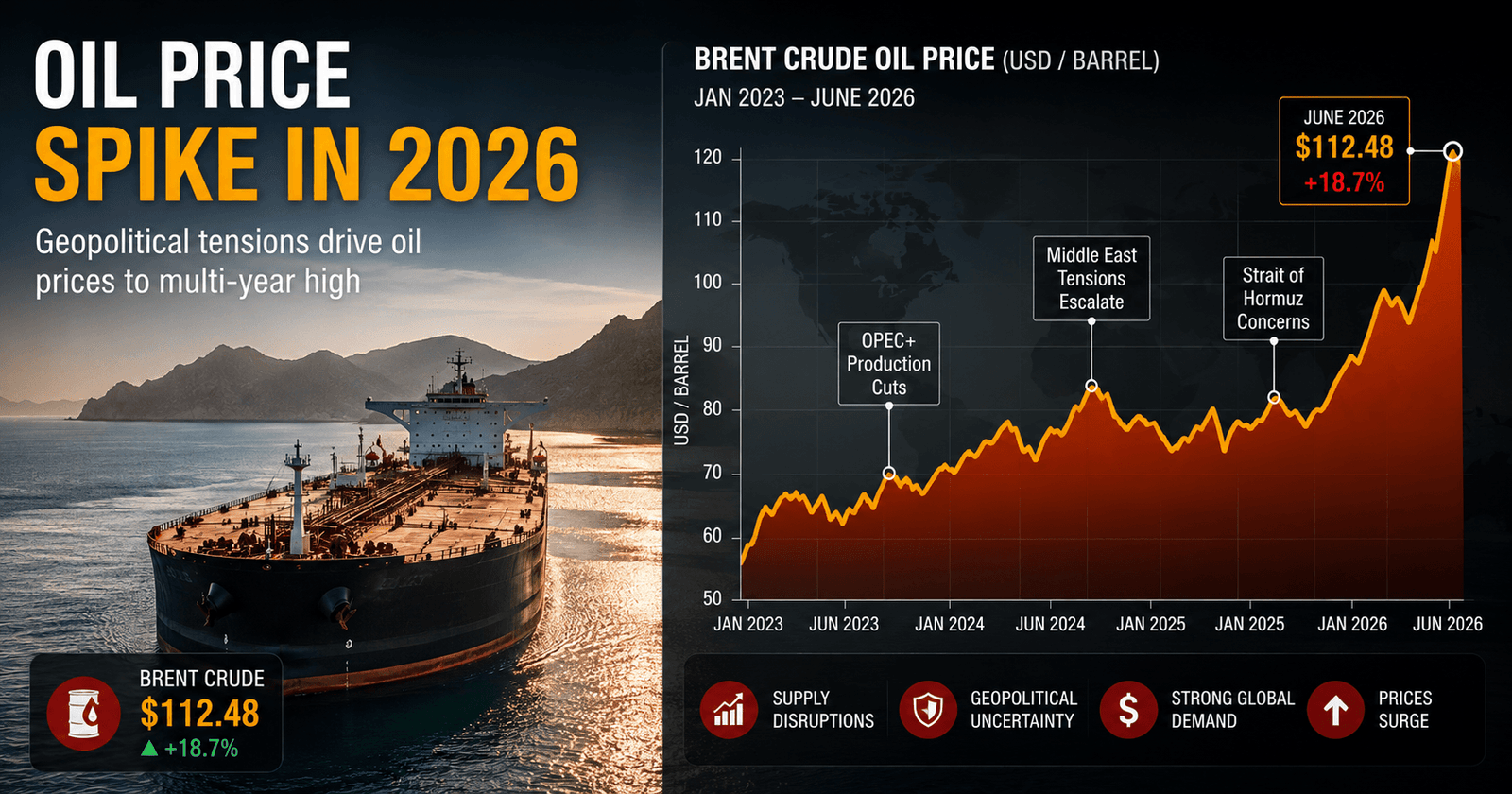
The economic consequences have been catastrophic for global energy markets. Oil prices surged to levels not seen in years, LNG supplies to Europe were disrupted, and shipping insurance premiums for tankers attempting to transit the strait increased dramatically — adding hundreds of thousands of dollars in cost per voyage.
The International Maritime Organization reported that about 20,000 mariners and 2,000 ships were stranded in the Persian Gulf due to the closure.
The MOU signed last week was supposed to change that. The memorandum of understanding stipulates that the Strait of Hormuz — a vital waterway through which some 20% of the world’s oil passed before the war — will reopen and that Iran agrees to allow safe passage of commercial vessels with no charge for 60 days.
That agreement is now being tested harder than at any point since it was signed.
The Route Dispute — Who Controls the Strait?
At the heart of the current crisis is a genuine disagreement about which route ships should use to cross the strait.
Iran has been warning ships to travel along Tehran-approved routes, but some vessels have been traversing along a route that avoids Iranian waters and instead hugs the coastline of the United Arab Emirates and bends along Oman’s Musandam Peninsula. The International Maritime Organization had coordinated the alternative route.
Iran’s position is that it has the right to manage and approve routes through the strait — and that ships using the IMO-coordinated route without Tehran’s blessing are violating the ceasefire, not Iran. Ebrahim Azizi, who heads the Iranian parliament’s national security commission, said on social media: “The Strait of Hormuz is governed by Iran, so: Respect the rules. This is not a violation of the ceasefire; it is ceasefire management.”
The United States and most of the international community reject this interpretation entirely, insisting that freedom of navigation — the right of commercial ships to use international waterways without interference — is non-negotiable.
This fundamental disagreement over who controls the strait is now the central unresolved issue threatening to derail the entire diplomatic process.
The Shipping Industry’s Reality Check
Just days ago, there were genuine reasons for optimism about the strait’s reopening.
On Wednesday before Thursday’s drone strike, 78 vessels transited the strait, the highest since the war began, although still below the prewar averages of 130 or more per day
The International Maritime Organization had coordinated an alternative route, with about 115 ships able to move out of the strait in recent days, leaving about 500 still in the area.
Then the drone strike on the Ever Lovely changed everything. The International Maritime Organization halted the evacuations after the attack and said it would not resume until there were guarantees that the other ships would not be attacked.
Marine data company Windward described the situation as follows: “A week of widening commercial confidence in the Strait of Hormuz has hit its first significant test,” noting that while the strait remained operationally open with 43 transits recorded after the incident, “the pace of normalization has slowed.”
Before the renewed outbreak of violence, oil prices had fallen about 3% on Friday, on course for steep weekly losses, in response to oil tankers exiting the Strait of Hormuz. Saudi Aramco had resumed crude loadings at its Ras Tanura terminal in the Gulf, the world’s biggest oil port, after a nearly four-month halt. All of that progress is now at risk.
Where Do US-Iran Negotiations Stand?
Despite the exchange of strikes, diplomatic channels have not collapsed — at least not yet.
On US-Iran negotiations, working-level groups have been continuing to work on key areas, and a fresh round of technical talks is currently scheduled to resume at the beginning of next week in Switzerland.
Separately, ambassadors from Israel and Lebanon announced an agreement described as a step toward peace following months of conflict between Israeli troops and the Lebanese militant group Hezbollah — with Secretary Rubio hailing it as the “beginning of the beginning” of a road to peace.
The parallel diplomatic track on Lebanon — which was actually included in the ceasefire MOU despite Israeli objections — appears to still be moving forward, which analysts say gives both Washington and Tehran some incentive to prevent a full breakdown in the broader peace process.
The question now is whether either side can exercise the restraint necessary to let the diplomatic track recover from today’s exchange of strikes.
What This Means for the World
The stakes of this confrontation extend far beyond the waters of the Strait of Hormuz.
For global energy markets: Oil prices, which had begun falling as the strait reopened, are now likely to spike again. Every escalation in the strait creates new uncertainty about supply — and oil markets price in uncertainty immediately.
For global shipping: The 500+ ships still waiting to exit the strait, and the 20,000+ mariners stuck in the Persian Gulf, are once again living through acute uncertainty about when they will be able to move safely.
For the peace negotiations: Technical talks are still scheduled for next week in Switzerland. But both sides now have domestic political pressures pushing against compromise — and the credibility of the ceasefire has been severely tested.
For the world economy: The Strait of Hormuz crisis has already been described as the largest supply disruption to the global oil market in history. A return to full closure would send already-strained economies into renewed crisis.
Our Analysis: Crisis or Course Correction?
The key signal to watch right now is whether Iran escalates further — or whether both sides use back-channel communications to step back from the edge.
A US official said the strikes were designed to provide a “course correction” — large enough to send a clear message but limited enough to avoid restarting the conflict and significantly derailing diplomacy. The official acknowledged that whether or how Iran chose to respond would play a big part in that.
The fact that the IRGC initially published a statement declaring its response would be “swift and decisive” — then deleted it — suggests there is internal disagreement within Iran’s leadership about how aggressively to respond.
The fact that Switzerland negotiations remain on the calendar suggests neither side wants to be seen as the party that formally ended the peace process.
But the trajectory is dangerous. Every strike and counter-strike creates new political pressure on both governments to appear strong — and political pressure rarely moves in the direction of de-escalation.
NewsVista will continue to update this story as events develop. Bookmark this page and follow us on social media for live updates.
Sources: US Central Command, Associated Press, NPR, NBC News, Al Jazeera, PBS NewsHour, Times of Israel, Jerusalem Post, Wikipedia — June 26-27, 2026.