 admin
admin BREAKING: Iran threatened a ‘complete halt’ to peace negotiations with the US on June 28, 2026, after American forces struck Iranian targets for the second time in three days. Iran also launched drone and missile attacks against Bahrain and Kuwait. The ceasefire signed just two weeks ago hangs by a thread.
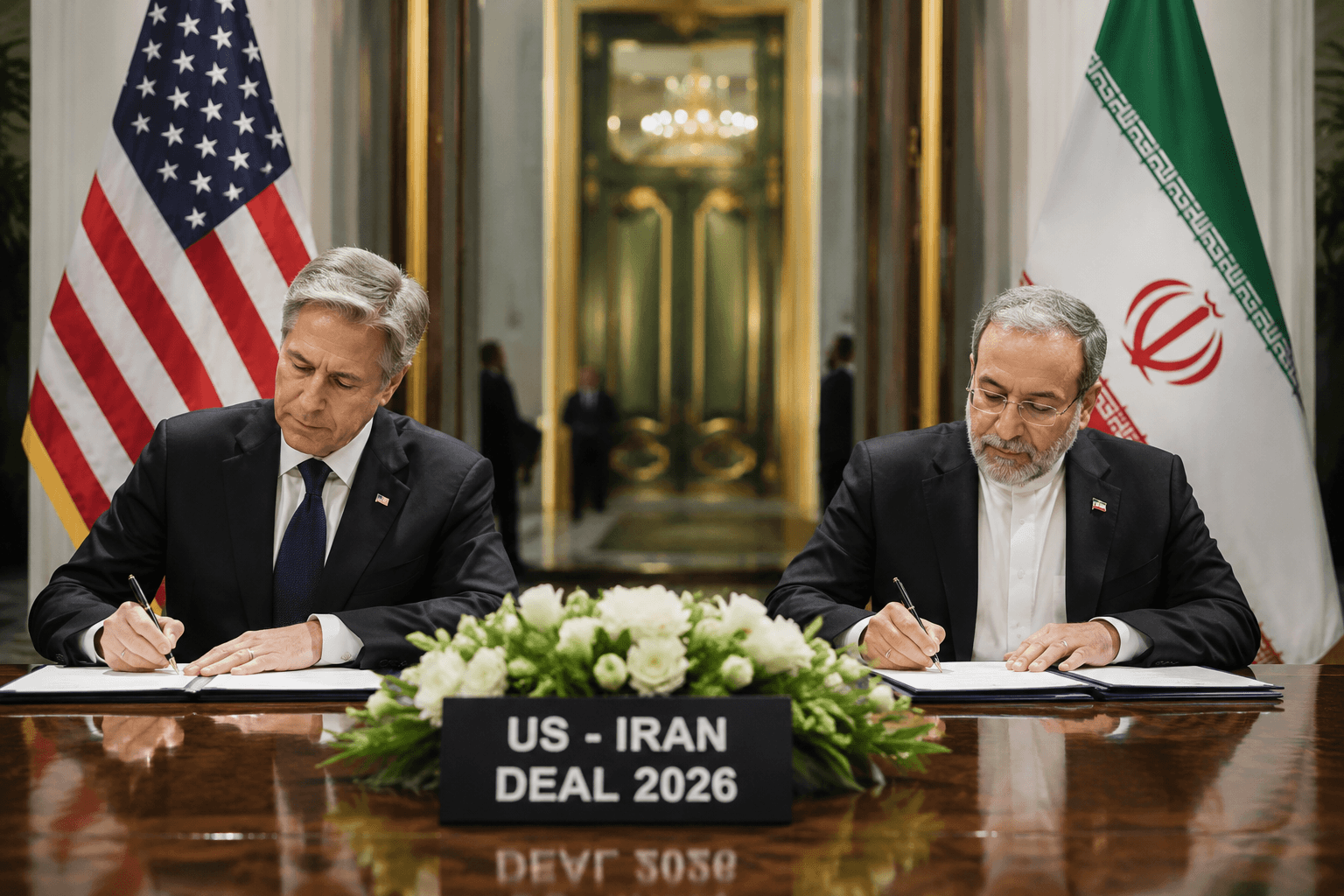
The Memorandum of Understanding signed with such optimism between Washington and Tehran on June 17, 2026, has been shredded by the events of the past 72 hours. What began as a dispute over navigation routes in the Strait of Hormuz has now escalated into a full exchange of military strikes, Iranian attacks on two US-allied Gulf states, and a direct threat by Tehran to abandon the diplomatic process entirely.
Here is a complete timeline of how the ceasefire collapsed — and what it means for the world.
From Ceasefire to Crisis: The Rapid Deterioration
The Memorandum of Understanding, signed on June 17, committed both the US and Iran to a ceasefire on all fronts, the reopening of the Strait of Hormuz to commercial shipping, and a 60-day negotiation period to resolve core issues including Iran’s nuclear program and US sanctions. In its first week, there was genuine reason for optimism. On June 18 alone, 78 vessels transited the strait — the highest single-day count since the war began. Saudi Aramco’s Ras Tanura terminal — the world’s largest oil export facility — resumed crude loadings after a four-month halt.
Then, on June 25, an Iranian IRGC drone struck the M/V Ever Lovely, a Singapore-flagged cargo ship, in the Strait of Hormuz. The US shot down three other drones and launched retaliatory airstrikes against Iranian missile and radar sites on June 26. Iran responded by claiming its own strikes on US positions in the Gulf. On June 28 — Sunday — the situation spiralled further.
Iran Attacks Bahrain and Kuwait
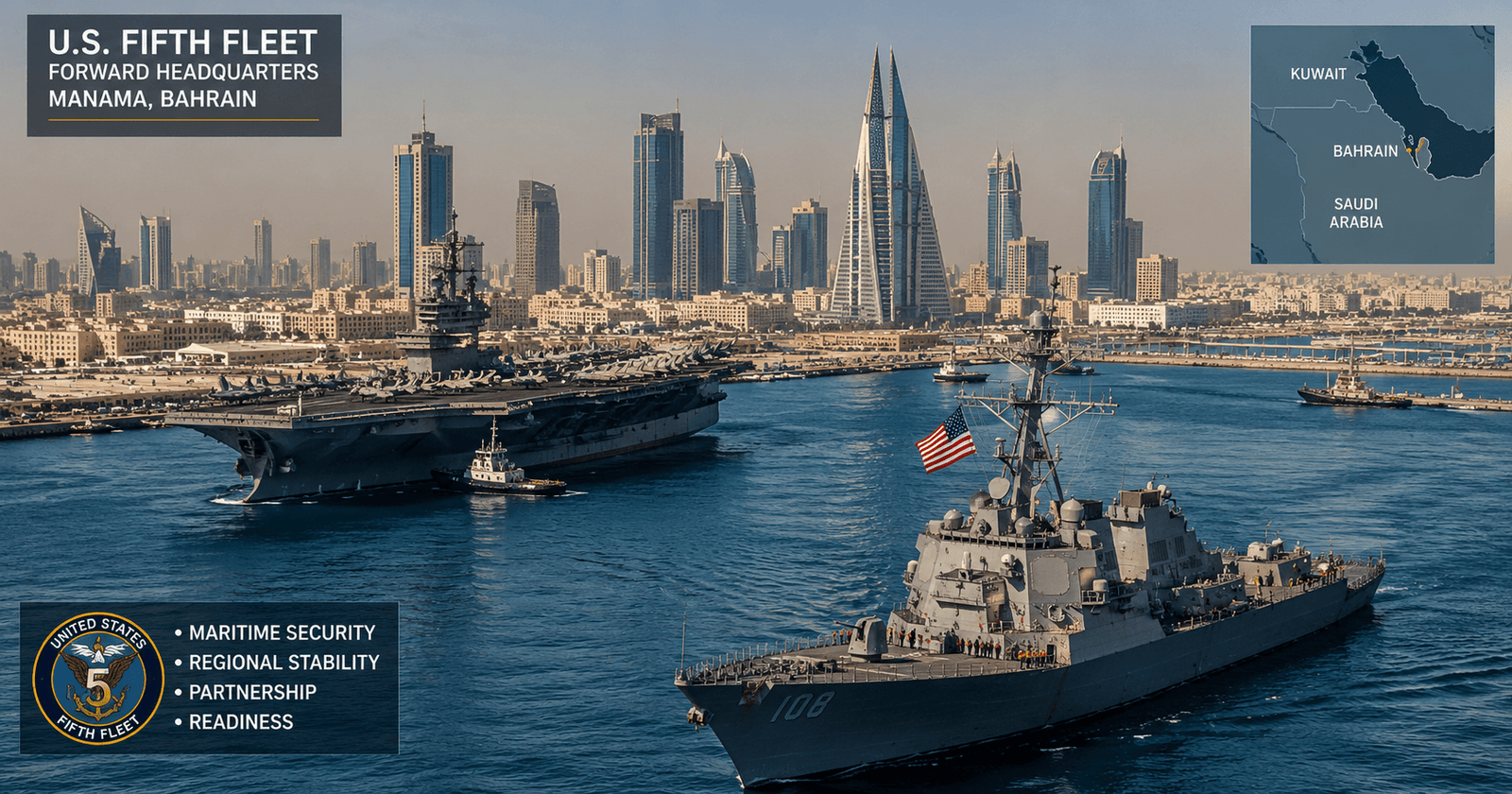
In what represents a significant and alarming escalation, Iran launched drone and missile attacks against Bahrain and Kuwait on June 28, 2026. Bahrain is home to the US Fifth Fleet — the most powerful American naval force in the Middle East. Kuwait is a major US ally and hosts significant American military assets. Iran’s decision to attack these two US-allied Gulf states directly — rather than limiting its response to targeting American positions — dramatically widens the geographic scope of the conflict.
The attacks on Bahrain and Kuwait followed a pattern: Iranian forces struck after the US conducted its second round of airstrikes on Iranian territory. US Central Command confirmed the new Sunday strikes, saying they targeted Iranian military positions. Iran’s foreign ministry responded by issuing a statement warning that if American attacks continued, Tehran would implement a ‘complete halt’ to all nuclear and peace negotiations.
Iran’s Threat to End Talks
The threat to halt negotiations is Iran’s most powerful diplomatic weapon in this confrontation. The negotiations taking place in Switzerland are the centrepiece of the American diplomatic strategy — and the main evidence offered to the world that the US-Iran conflict has a political resolution. If Iran formally withdraws from the talks, the MOU framework collapses, the ceasefire loses its diplomatic anchor, and the situation risks returning to the full-scale conflict that devastated global energy markets and the world economy between February and June 2026.
Iran’s inflation, already at 88.6 percent year-on-year as of June — a direct consequence of the economic disruption caused by the war — gives Tehran strong economic incentives to preserve the peace framework. But the domestic political pressure on Iran’s leadership to respond forcefully to American strikes is equally powerful. The IRGC, which has operational control over Iran’s military responses, has its own institutional interests that do not always align with the diplomatic preferences of Iran’s foreign ministry.
The Lebanon Complication
Adding another layer of complexity, the Israel-Lebanon framework agreement announced by Secretary Rubio on June 26 has itself become a source of tension. Iran and Hezbollah have both stated publicly that the trilateral framework signed by Israel, Lebanon, and the US contradicts the MOU, which stipulates the war will end ‘on all fronts, including in Lebanon’ and commits the US and Iran to ‘ensure the territorial integrity and sovereignty of Lebanon.’ Neither Israel nor Hezbollah participated in negotiating the MOU. The overlapping and contradictory commitments in the two agreements are creating legal and political chaos.
What Both Sides Are Saying
- Iran: ‘The US strikes are a blatant violation of the MOU. Continued aggression will result in a complete halt to negotiations.’ — Iranian Foreign Ministry, June 28
- US: ‘Violence will be met with violence. If Iran has disagreements about how the MOU is being applied, they can pick up the phone.’ — VP JD Vance, June 27
- US Central Command: Confirmed second round of strikes on Iranian territory on June 28, describing them as ‘necessary and proportionate responses to Iranian aggression’
- Iran IRGC: Claimed strikes on US military positions and attacks on Bahrain and Kuwait in retaliation for American airstrikes
- Switzerland talks: Technical talks that were scheduled for next week are now in serious doubt following Iran’s threat to halt negotiations
What Happens Next — The Three Scenarios
Scenario 1 — De-escalation (Most Optimistic)
Both sides use back channels to communicate a mutual desire to preserve the MOU framework. Iran scales back military responses. The US refrains from further strikes. Switzerland talks resume, perhaps with additional mediators from Qatar, Pakistan, or Oman. This scenario requires both governments to accept that preserving the diplomatic process is worth absorbing political criticism at home.
Scenario 2 — Managed Tension (Most Likely)
Both sides continue occasional military exchanges while maintaining a functional ceasefire and keeping diplomatic channels technically open. The situation is volatile and unpredictable, with oil markets and global shipping operating under persistent uncertainty. Negotiations make slow or no progress. The 60-day negotiation window expires without a final deal, and both sides face the question of whether to renew or abandon the MOU framework.
Scenario 3 — Full Breakdown (Most Dangerous)
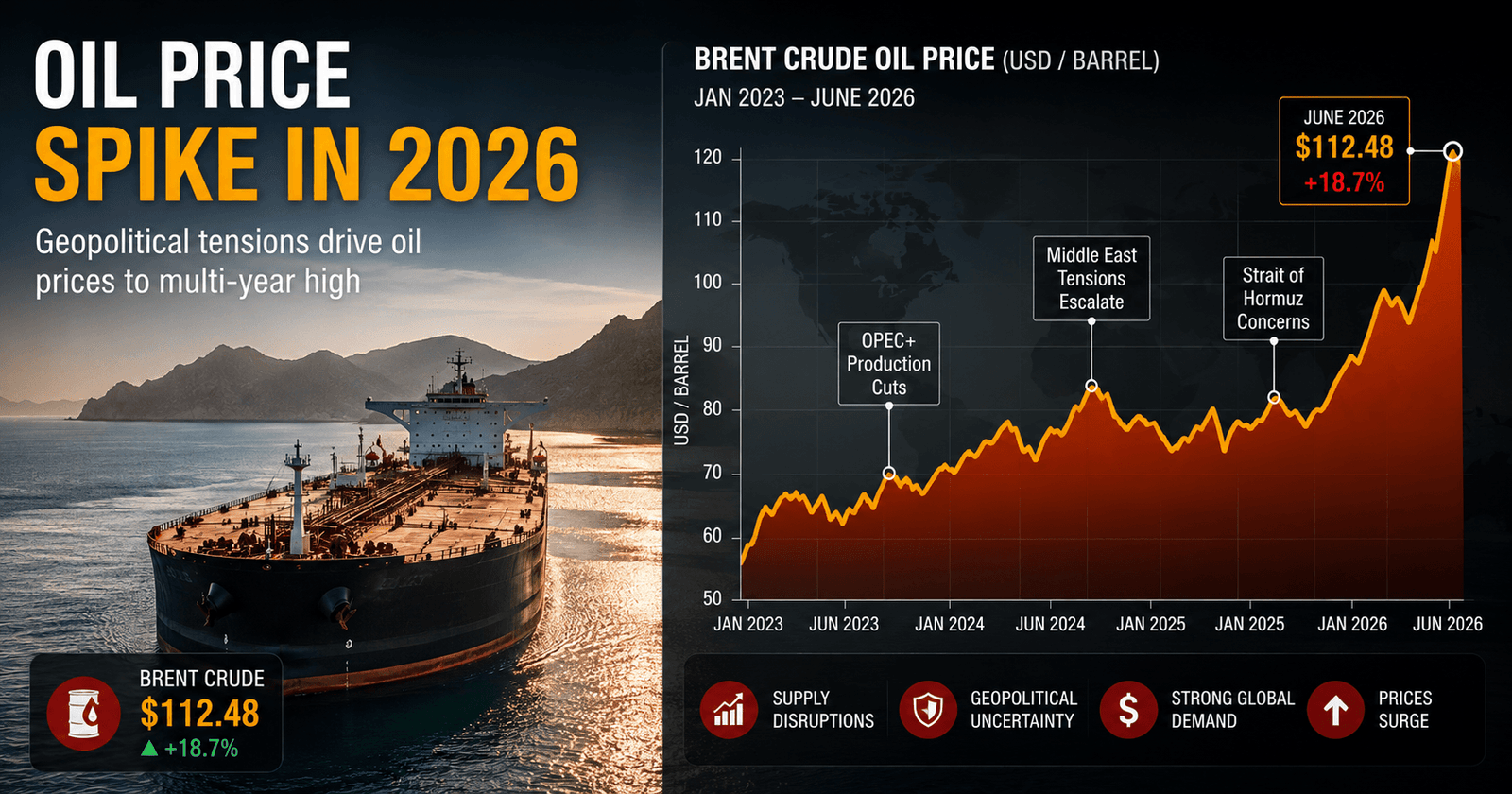
Iran formally halts negotiations. The ceasefire collapses entirely. The Strait of Hormuz closes again to commercial shipping. Global oil prices return to or exceed their conflict-era highs. The economic costs — already severe — return in full force. The risk of wider regional escalation, potentially drawing in Israel, the Gulf states, and other actors, increases significantly.
NewsVista will continue to cover this story in real time. For daily updates on the US-Iran situation, follow our Politics and World Affairs section.