 admin
admin Money. It is the one topic that affects every single aspect of your life — yet most of us were never taught how to manage it properly. Whether you are 22 or 52, starting from zero or looking to accelerate your wealth building, the fundamentals of personal finance are the same — and they work.
This guide covers everything you need to know about managing money in 2026, from the basics of budgeting to the smart investment moves that are working right now.
Step 1: Know Where Your Money Goes (Budgeting 101)
The first and most important step in financial health is simply knowing where your money goes. Most people dramatically underestimate how much they spend on non-essential items. The solution is a budget — and in 2026, building one has never been easier with AI-powered apps that automatically categorize your spending.
The 50/30/20 rule is the most widely recommended framework for most people: spend 50% of after-tax income on needs (rent, food, utilities, transport), 30% on wants (entertainment, dining out, shopping), and 20% on savings and debt repayment. If you are in debt, consider shifting to 50/20/30 — prioritizing repayment over wants.
Step 2: Build an Emergency Fund First
Before you invest a single rupee, dollar, or pound in stocks or crypto, build an emergency fund. Financial experts universally agree: you need 3 to 6 months of living expenses in a liquid, accessible savings account. This is not an investment — it is insurance against life’s inevitable surprises: job loss, medical expenses, urgent repairs.
In 2026, high-yield savings accounts are offering better returns than they have in years, meaning your emergency fund can earn meaningful interest while staying accessible. Start with a goal of one month’s expenses, then build from there.

Step 3: Destroy High-Interest Debt
If you carry credit card debt or any loan with an interest rate above 10%, paying it off is the single highest-return ‘investment’ you can make. A credit card charging 20% interest means every rupee you pay down gives you a guaranteed 20% return — better than almost any investment available.
Use either the avalanche method (pay off the highest interest rate debt first — mathematically optimal) or the snowball method (pay off smallest balance first — psychologically rewarding). Both work. The key is to stop adding new debt while you pay off the old.
Step 4: Invest Early and Consistently
The most powerful force in personal finance is compound interest — and the most powerful factor in compound interest is time. A 25-year-old who invests $200 per month at an average 8% annual return will have roughly $702,000 by age 65. A 35-year-old doing the same will have about $305,000. Ten years of delay costs nearly $400,000.
In 2026, the most widely recommended approach for most people is low-cost index fund investing. Index funds track the overall market (like the S&P 500), require no expert knowledge, have minimal fees, and historically outperform the majority of actively managed funds over long periods.
The Big Financial Topics of 2026
Cryptocurrency: Bitcoin and Ethereum remain the dominant digital assets in 2026. The crypto market has matured significantly — it is less a wild west and more a recognized (if volatile) asset class. Most financial advisors recommend limiting crypto to a maximum of 5-10% of an investment portfolio for those with a high risk tolerance. Never invest money in crypto that you cannot afford to lose.
Real Estate: In many markets, property prices remain elevated. However, real estate investment trusts (REITs) offer a way to invest in property without needing to buy an entire building. REITs are traded like stocks and provide exposure to commercial and residential real estate.
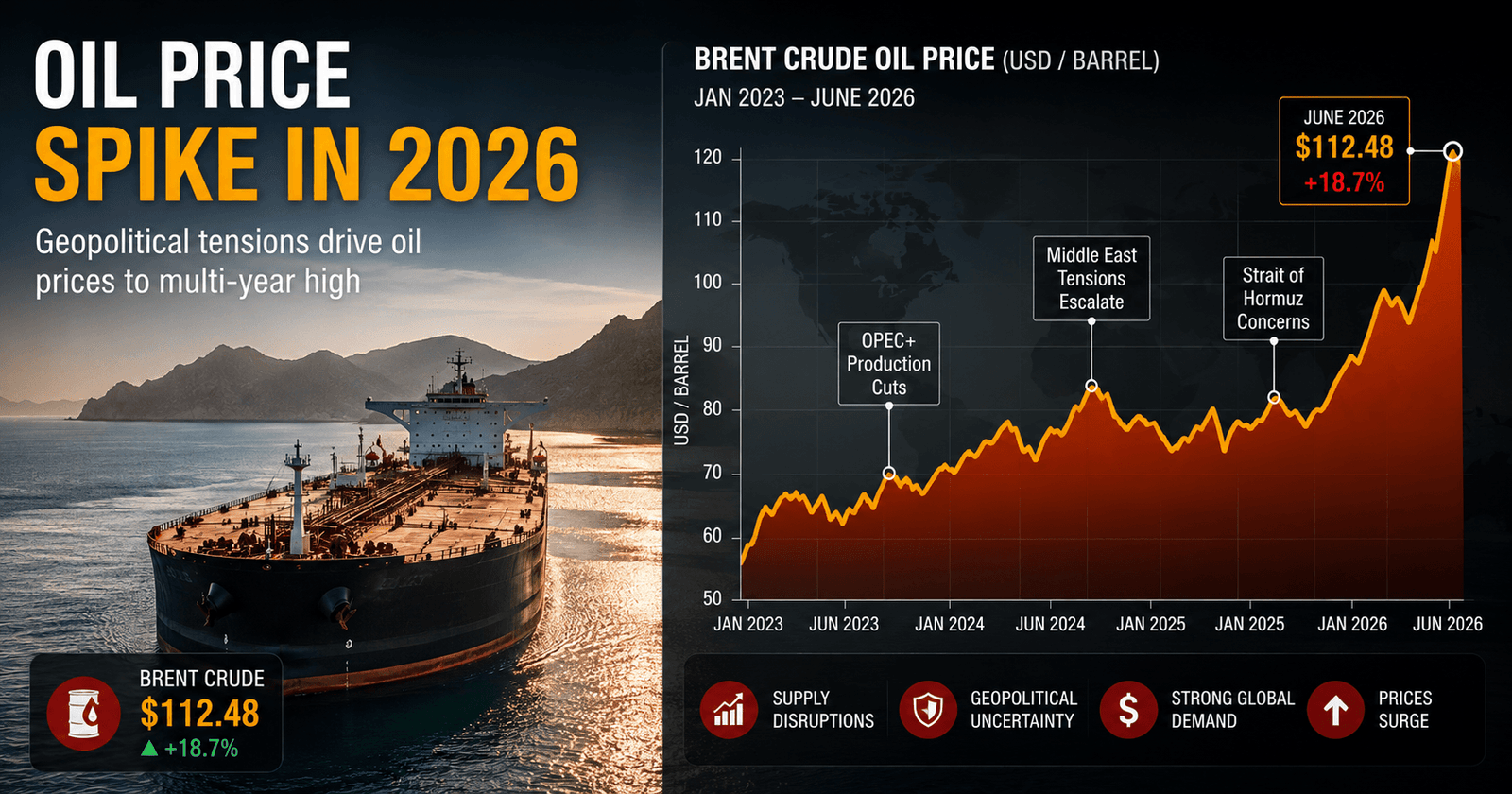
The US-Iran deal and oil market normalization in 2026 is reducing energy costs globally — good news for consumers and businesses that were hit hard by high fuel prices during the conflict period.
Financial Habits That Separate the Wealthy From the Rest
- Pay yourself first: automatically transfer money to savings before spending anything else.
- Avoid lifestyle inflation: when your income increases, save the difference before upgrading your lifestyle.
- Read and educate yourself continuously: the best investment you will ever make is in your own financial knowledge.
- Invest in your career: skills that increase your earning power are the highest-return investment for most people in their 20s and 30s.
- Avoid emotional decisions: market volatility is normal. The biggest financial mistakes happen when people panic and sell at the bottom.

Your Action Plan — Start Today
Track your spending for 30 days. Calculate your net worth (assets minus debts). Set up a 50/30/20 budget. Open a high-yield savings account for your emergency fund. Pay down high-interest debt aggressively. Start investing — even $50 per month — as early as possible. Review your finances every three months and adjust.
Financial freedom is not about earning a huge income. It is about managing what you earn with intention and discipline. The best time to start was yesterday. The second-best time is right now.